
Chibi Fighters: A Creative Leap or a Risky Bout? | Indie Team Gauges Community Reaction
Edited By
Fatima Al-Sayed
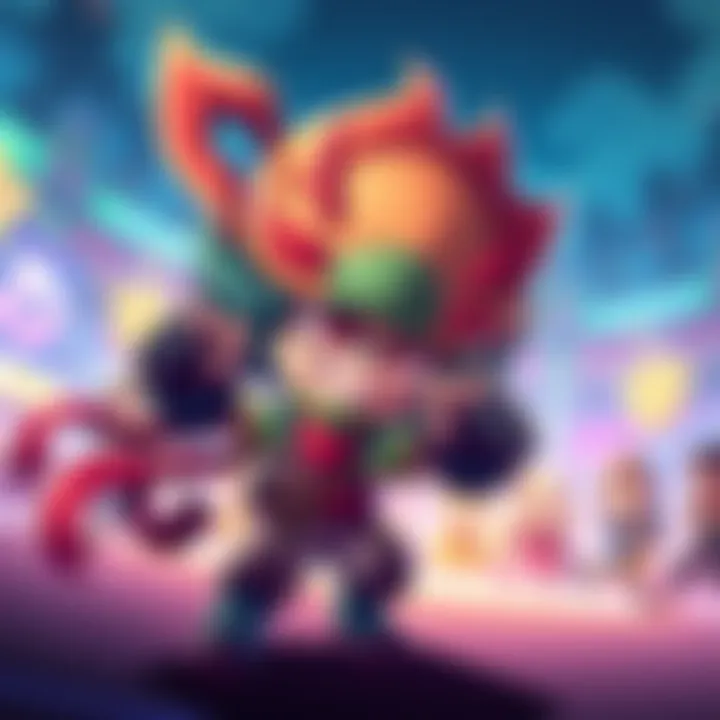
A small indie team is stirring interest in the gaming world with their planned fighting game featuring a chibi art style. Feedback from forums paints a mixed scene for the project, raising questions about artistic direction and gameplay mechanics.
Indie Project Overview
The team, passionate about creating a distinctive fighter, has opted for a cartoon-anime aesthetic. They are actively soliciting feedback from the fighting game community to assess the viability of this choice. This comes amid a backdrop of community discussions about aesthetics impacting gameplay effectiveness.
What Players Are Saying
Comments on user boards reveal varying perspectives:
Art Style Clarity: "Is it 2D or 3D?" asks one contributor, highlighting confusion over the representation in promotional materials.
Gameplay Concerns: Another user notes, "Characters with oversized features can hurt attack readability," suggesting that clarity in action might be compromised.
Individuality Support: Others see the chibi design as a unique branding opportunity, stating, "It’s something that sets you apart."
"This might be a bold move, but it could also flop if not executed well," remarked a community member, encapsulating the prevailing sentiment of cautious optimism.
Community Sentiment
Overall, responses range widely from skepticism to enthusiasm. Feedback is mostly constructive, as many recognize the risk involved in breaking genre norms.
Key Points from Community Discussions
🎮 Aesthetic Distinction: Many appreciate the risks of using a chibi style for unique branding.
⚔️ Potential Gameplay Issues: A significant number of comments raise concerns about readability of moves and combat clarity.
💭 Need for Clarity: Clear representation in trailers is crucial to avoiding confusion about game dimensions.
As the indie team forges ahead, it remains to be seen how they will balance artistic flair with the fundamental mechanics that define successful fighting games. Will the charm of chibi characters translate into engaging gameplay, or will it present challenges that deter players? The dialogue continues as they shape their vision, taking every piece of feedback seriously.
Forecasting Gameplay Evolution
There’s a strong chance that the indie team will engage closely with player feedback, which may lead to adjustments in character design and gameplay mechanics. Experts estimate around a 70% likelihood that they will refine the clarity of attacks based on community concerns, thus enhancing the overall experience. This interactive approach could increase player enthusiasm and foster a more supportive community around the game. However, if they fail to address critical gameplay readability issues, they risk losing potential players—possibly as high as 40%—who prioritize clear action in a fighting game. As they move forward, striking the right balance between artistic identity and functional gameplay will be key to their success.
A Tale of Audiovisual Harmony
Drawing a parallel to the world of cinema, consider the release of the animated film "The Lego Movie" in 2014, which faced skepticism regarding its unique animation style. Critics worried it would alienate traditional audiences, similar to concerns surrounding the chibi art style in this upcoming game. However, this bold creative choice turned into a massive box office hit, resonating with diverse audiences. Much like the indie team’s venture, it showcased how a distinctive visual approach could enhance narrative engagement, transforming a seemingly niche aesthetic into a mainstream success. Such history reminds us that innovative ideas, when properly executed, can bridge gaps between genres and attract unexpected appreciation.