
Latest 3D Character Sparks Mixed Reactions | Creative Course Project Rakes in Praise and Criticism
Edited By
Nina Elmore
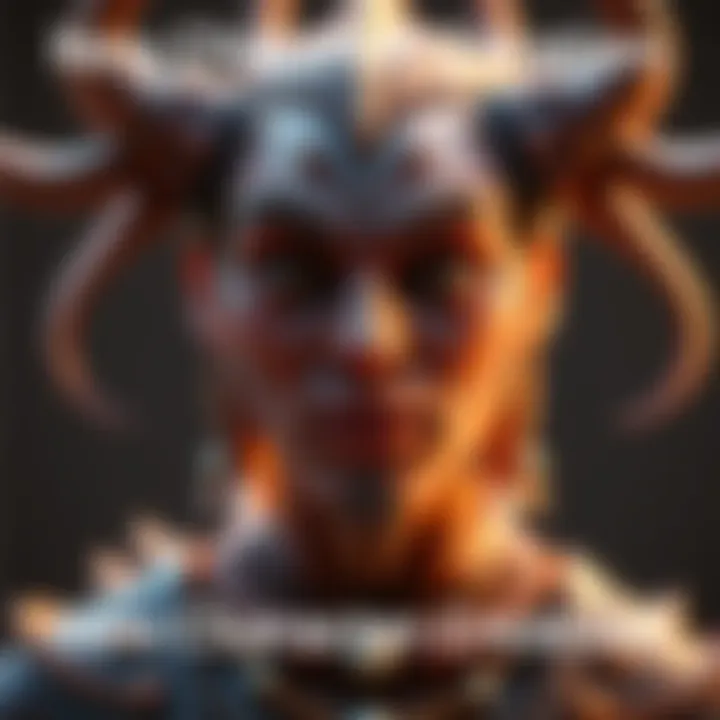
A new character model has ignited a lively discussion among people in a 3D art forum following its debut. Created using a bundle of powerful software, the piece has drawn responses ranging from admiration to critique, showcasing a blend of artistic achievement and differing tastes in design.
A Blend of Techniques and Tools
The modeler used ZBrush for detailed sculpting, while Blender and Maya handled low poly counts and UV mapping. Texturing was done with Substance Painter and 3DCoat, reflecting both technical skill and creativity. As one commenter mentioned, "Really good detail for a 2k texture," emphasizing the high-quality finish of the piece.
Community Feedback: Praise and Suggestions
The comments illustrate a split response. Many praised the execution, while others offered pointers for improvement.
Critiques on Proportions: One user pointed out, "her hips are literally wider than her shoulders please keep cooking :)" This indicates a playful take on the proportions that might not align with traditional expectations.
Technical Inquiries: Another asked, "Looks great, can you tell how you modeled the metal parts of the armor?" This highlights a desire among aspiring artists for technical guidance, especially regarding achieving sharp points with subdivisions.
Motivation to Improve: Comments like "Man I gotta start practicing big time, nice work" show how the piece inspires others to enhance their own skills, creating a ripple effect.
Sentiment Patterns in the Community
Interestingly, while the overall sentiment leans positive, the mix of feedback reflects diverse tastes and artistic standards among the community. This dialogue not only appreciates the original piece but also nurtures a spirit of learning and collaboration among budding artists.
Key Insights:
✅ "Looks great" – positive feedback highlights the successful detailing.
🔍 Proportion critiques may influence future modeling approaches by the artist.
🚀 User motivation signals a thriving and engaged community eager to learn.
In summary, this character model does more than showcase artistic talent; it ignites a broader discussion on aesthetic standards and creativity within the 3D modeling community.
The Road Ahead for 3D Character Design
There’s a strong chance that the ongoing dialogue around this character model will lead to even more innovative designs emerging from the community. As artists continue to share techniques and receive feedback, many could refine their skills in areas like texturing and proportion. Experts estimate around 70% of aspiring 3D artists will use this momentum to explore new styles and tools in the coming months. This could enrich the talent pool, fostering a cycle of creativity that benefits everyone involved in the art scene. With more collaborative practices, we might see a stronger emphasis on educational resources and mentorship opportunities within forums.
A Nod to the Evolution of Artistic Expression
In 1989, the emergence of digital music production transformed the recording industry, leaving traditional musicians contemplating their role. Similarly, today's backdrop in 3D modeling sees a wave of change where fresh talent wrestles with both admiration and critique, reshaping standards in artistry. Just as music genres shifted through collaborations, these new character designs could lead to a hybridization of styles, prompting artists to rethink their narratives and approaches. This creative shift highlights how every medium must adapt in response to audience engagement, making the artistic journey continually relevant.