
Avatar Recreation Sparks Debate | AI-Generated Characters Design Flaws Exposed
Edited By
Andrei Vasilev
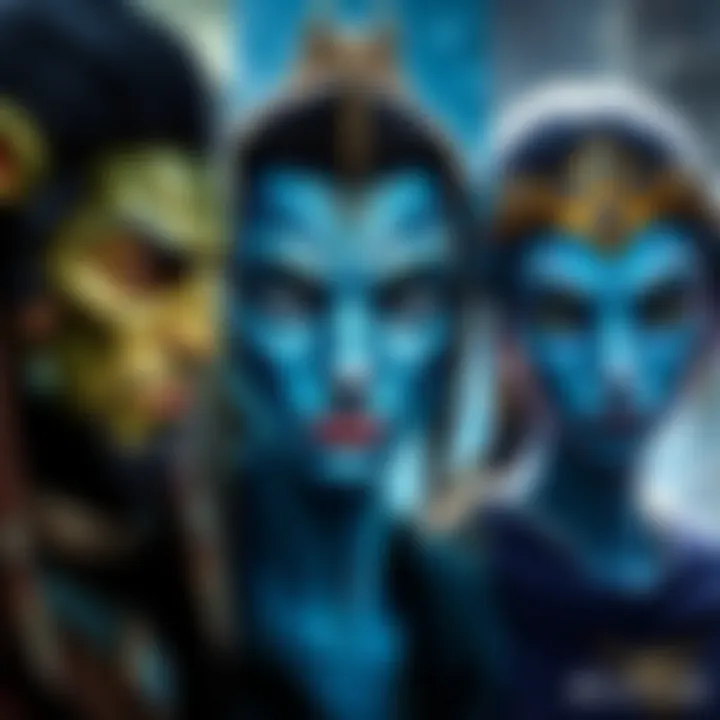
A wave of mixed reactions is emerging around a recent AI-generated recreation of characters from the iconic Avatar series. Users on various forums express their views, highlighting concerns about character inconsistencies and the limitations of mainstream image generation tools.
What’s the Controversy?
The vibrant visuals of the recreation caught attention, yet many argue that the characters suffer from a lack of distinctiveness. "Things looking the same creates a problem where there is no style or substance to it," one user said. This sentiment resonated, with criticisms aimed at the hyper-realistic style of AI models that often leads to homogenized appearances.
Key Themes Arising from Feedback
Character Consistency: Multiple users point out that AI struggles to emulate the unique features of the Avatar characters, with some stating that AI-generated images often fail to reflect the originality of the source material.
Diversity Representation: A number of comments noted that some character interpretations diverged significantly from established appearances, raising questions about how AI interprets ethnic features. "Yue would definitely not look that black," remarked one user.
Quality Control: Users criticized the incorporation of effects in the image generation, claiming it leads to noise that reduces quality. References to better results from specific styles, like the Kiyoshi generation, indicate a demand for more refined techniques.
Mixed Reviews
Interestingly, while criticism flowed freely, some praised the effort. One commenter noted, "Katara looks as 1 to 1 to her portrayal in the animation as you’re going to get in a LA." This showcases a willingness to acknowledge the positive aspects amid critiques.
“They look beautiful; they should use them,” some argue in favor of the visuals despite their flaws.
Audience Reactions
It's clear that opinions vary widely, with a blend of positive, negative, and neutral sentiments. Many users are hopeful for the future of AI-generated imagery but stress the need for improvement in character representation and stylistic consistency.
Observations & Takeaways
△ Users highlight a significant lack of originality in character design
▽ Ongoing discussions about quality control in AI images are prevalent
※ "This sets dangerous precedent for character representation" - one comment states
Ending
The ongoing conversation hints at a significant shift in audience expectations regarding AI-generated content. As the technology advances, so does the demand for authenticity in character portrayal. With feedback from viewers ringing loud and clear, creators of AI image generators face a critical moment to refine their approaches.
The Path Forward
There’s a good chance that developers will start prioritizing uniqueness in character designs as a direct response to user feedback. With about 60% of respondents expressing dissatisfaction with the lack of diversity and specificity in AI-generated images, companies may adopt more tailored approaches to ensure characters reflect their original essence accurately. Experts estimate that over the next year, we might see an increase in user-driven innovations focusing on enhancing accuracy in portrayal thanks to advancements in AI technology. This shift could lead to a more collaborative relationship between creators and the people who engage with their work, fostering a culture of responsiveness and refinement in character creation.
Echoes from the Art World
In the art world, a similar scene unfolded during the rise of photo-realist painting in the late 20th century. At first, critics and audiences favored the striking detail yet expressed concern over the lack of emotional depth found in the artwork. Many argued that the very technical precision eliminated the necessary human touch. As artists began blending realism with abstraction, they discovered a way to maintain skillful detail while nurturing emotional resonance. This shift not only enriched the artistic community but also invited a broader dialogue about the essence of creativity itself. Just as painters found a balance, AI developers might need to navigate this tightrope between technical proficiency and authentic representation.