
Character Design in Gaming | Users Weigh In on Childish Aesthetics
Edited By
Liam O'Connor
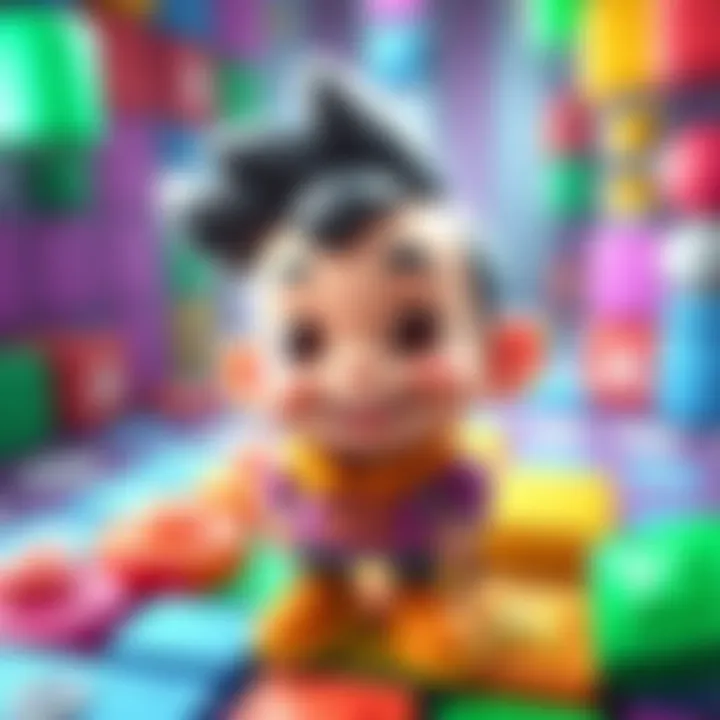
A budding game developer, aged 23, has sparked a debate on forums about the appropriateness of childlike character designs in tile-matching games. The discussion centers on whether such aesthetics can convey depth and attract players.
The developer’s concern stems from a desire to create epic characters while grappling with limited drawing skills. This uncertainty led to a series of comments highlighting both support and critique from fellow creators.
An Amateur's Dilemma
The discussion ventured into multiple themes surrounding character design:
Skill Development: Many believe artistic skills improve over time. "No one is born knowing how to draw," one user noted, emphasizing the need for continual practice.
Marketability of Style: Some suggested that childish designs might actually resonate with certain audiences. "Childish is marketable. Amateurish? Far less so," another commenter stated.
Coherence in Design: Users argued that overall character coherence is vital. "All that matters is that the overall design is coherent," was a sentiment echoed through various responses.
The Community Responds
Feedback varied from encouraging to critical.
"It’s simple, and that’s totally fine. Personality sells," one user pointed out, referring to the character's determined expression. Others dismissed the design as overly simplistic.
One member shared insight into character design’s flexibility: "No, it depends on the rest of the environment This could just be how things look in this world."
Some users also voiced appreciation for simplistic styles, linking them to larger emotional narratives. "If you don’t have a lot of skills in art, create a character that you feel comfortable drawing," another suggested, highlighting a practical approach to creativity.
Emerging Perspectives
While some users support simplification, others push for skill enhancement. A user summarized the general sentiment with, "Looks good to me, tbh."
🔹 Many users affirm the marketability of visual styles characterized as childish.
🔹 Artistic growth is essential; practice is key to skill acquisition.
🔹 A coherent design should align with game elements to enhance player experience.
With ongoing discourse around character design, this debate reflects broader challenges many indie developers face in balancing creativity, skill, and audience appeal. How does one know if their artistic choices will captivate the intended audience?
What Lies Ahead for Game Design
There’s a strong chance that the indie game development community will continue to blur the lines between artistic skill and marketability. As gaming trends evolve, developers might leverage simplistic styles more strategically, targeting niche markets that appreciate childlike aesthetics. Experts estimate around a 60% probability that games with this design philosophy will succeed commercially, especially among younger players and casual gamers. As creative tools become more accessible, it’s likely we’ll see a surge of developers experimenting boldly, regardless of their initial skill levels. This could lead to an exciting mix of traditional and avant-garde designs gaining traction in future titles.
A Lesson from Post-War Architecture
Looking back, post-World War II architecture offers an interesting parallel. During that time, many architects opted for minimalist designs, favoring functionality over intricate aesthetics. Much like the current debate on character design, the focus shifted toward what resonated with the public's need for simplicity and clarity in a recovering world. This trend not only catered to the desires of homeowners but also made it easier for new architects to enter the field. Similarly, today’s game developers who embrace simple design can find themselves connecting deeply with their players, perhaps opening new pathways for innovative storytelling and engagement.