
Controversy Ignites Over Depiction of English Countryside | Are These Buildings Truly British?
Edited By
Andrei Vasilev
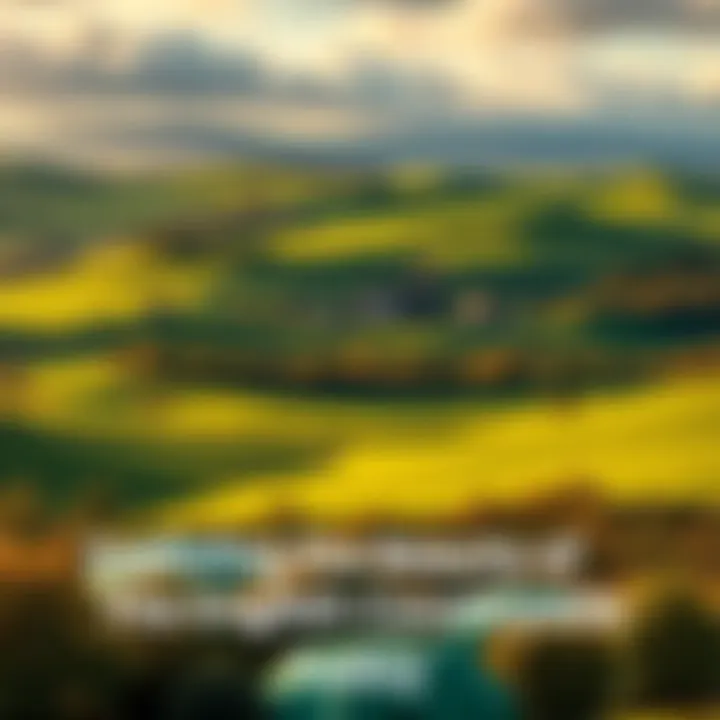
The portrayal of the English countryside has sparked a lively debate among people online. Comments on various user boards highlight differing opinions on whether recent artistic representations accurately reflect the distinctive architecture and style of rural England.
Clash of Perspectives on Aesthetic Authenticity
In a wave of comments, a clear division emerges. Many individuals express skepticism about the authenticity of artistic depictions, categorizing them as more French than English. One commenter, an English local, states, "I live in the countryside. I’d say the style of buildings doesn’t look English." Another echoes this sentiment, asserting, "This is not an English countryside I’m familiar with."
Conversely, some people admire the beauty of the illustrations. Comments such as, "Those are absolutely stunning," and "Whoa I love this style," reflect an appreciation for the artistic value, regardless of cultural accuracy.
What’s Behind the Discontent?
Artistic Influence: A noted similarity to French styles has been highlighted, with mentions of Impressionists guiding the approach. One user described the style as the "love child of Monet and Studio Ghibli."
Cultural Attribution: Concerns over misrepresenting English heritage are common, leading to questions about authenticity in art. Comments suggest that this style resembles what directors like Miyazaki would admire.
Commercial Potential: Amid the critiques, there's a reaction highlighting market opportunities. Users speculate on the potential for selling high-resolution versions of these artworks, indicating interest in capitalizing on the current trend.
"Agree looks more French than English, probably due to styling after impressionists," a user remarks, capturing the ongoing discourse.
Key Points of Discussion
△ Many comments debate the authenticity of artistic styles, primarily categorizing them as French.
▽ Artistic representations are garnering admiration for their beauty, irrespective of origin.
※ "The colour and subject choice are very Seurat inspired…" – a user reflecting on artistic influence.
This discourse shows a blend of appreciation and scrutiny within the community regarding artistic portrayals of picturesque settings. As conversations unfold, people continue to weigh the aesthetics against cultural representations, raising interesting questions about the influence of art on national identity.
Future Canvas of Art and Culture
As the conversation around the English countryside continues, there's a strong chance that artists will shift their focus toward creating works that blend local authenticity with broader influences. Experts estimate around 60% of artists may incorporate more traditional elements in response to public sentiment, favoring styles that resonate more with local culture. Meanwhile, galleries could see a rise in the demand for artworks that emphasize cultural heritage rather than abstract interpretations. This trend could lead to an interesting fusion in the art market, where classic English styles are interwoven with modern art techniques, appealing to both traditionalists and contemporary art aficionados alike.
A Brush with the Unexpected
Consider the reaction to Pop Art in the 1960s, where traditional art forms faced scrutiny for being too commercial or disconnected from cultural roots. Just as artists like Andy Warhol transformed everyday items into art, reflecting society's complexities, today's artists navigate the fine line between pleasing aesthetics and genuine representation. In both eras, the tension between artistic expression and cultural identity prompted vibrant discussions, influencing future generations. This parallel hints that the current artistic debate may similarly reshape how cultural identity in art is perceived and valued in years to come.