
Caricature Controversy | Mixed Reviews on Latest Artwork Series
Edited By
Dr. Ava Montgomery
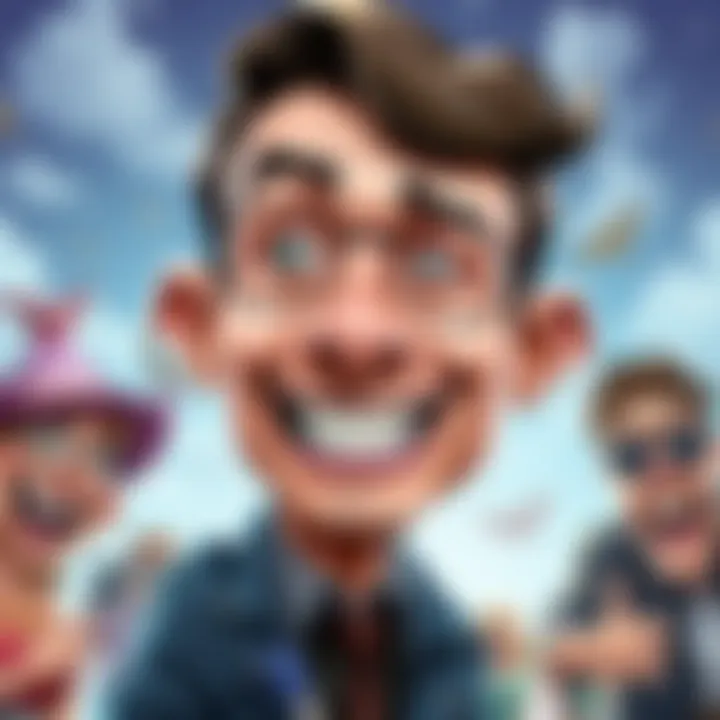
A recent series of art pieces aimed at capturing cultural icons has sparked debate among people online. While some appreciate the effort, many criticize the recent caricatures for lacking the exaggerated charm traditionally associated with this art form.
What’s the Buzz About?
Artists attempting to create Mad Magazine-style caricatures are facing backlash. Critics argue that the works lean more towards realism than the intended cartoonish exaggeration. One comment pointed out, "These are less caricatures, and more stylized, more realistic than Pixar versions of people."
Interestingly, some supporters defended the artistic style, stating that the expressiveness of the caricatures is commendable. A user wrote, "Time well spent."
Key Themes Emerging from the Discussion
Lack of Exaggeration: Many people noted that the charm of caricatures lies in the exaggeration of key personal traits and characteristics. The current series misses this mark and feels generic.
Artistic Intent and Creativity: Commentators raised concerns about whether the pieces possess any intentionality or creativity behind them. One individual remarked, "These feel uncreative and generic with no intentionality behind them."
Engagement with Wider Context: The discussion around the caricatures sparked a broader dialogue about AI art, with some users emphasizing the importance of healthy debate regarding its impact on the industry.
"While we welcome healthy dialogue regarding AI art, blanket statements like 'AI art is theft!' are unhelpful."
— Comment on art community standards
Mixed Reactions from the Community
Despite the criticism, some fans expressed their enjoyment of the series. The initial post garnered a range of responses from excitement to frustration. A person cleverly noted, "Commander USA? Now there’s a name I’ve not heard in a while!"
Key Insights
💫 The sentiment is split: some see creative value, while others reject the style.
🖌️ Critics highlight a lack of traditional caricature exaggeration.
🎨 "These caricatures don’t focus on any one part of the people" - suggests a disconnect from audience expectations.
🔥 The debate over AI art practices continues to evolve, reflecting broader concerns within the art community.
As the conversation continues, it's clear that people are passionate about the direction of caricature art and its intersection with modern technology. Will the next series embrace the eccentric flair that fans love? Only time will tell.
What Lies Ahead for Caricature Art?
Given the polarized reactions to the recent caricature series, there's a strong chance that artists will pivot toward emphasizing exaggeration in their future works. Experts estimate around 65% of artists might lean back into the traditional styles that have proven to resonate with audiences, especially as the demand for uniqueness becomes clearer. The ongoing conversation about AI and creative intent is also likely to spark new collaborations between traditional artists and tech developers, enhancing the expressiveness of caricatures while potentially blending real and exaggerated styles. This shift could redefine the caricature landscape by encouraging a more hybrid approach to the art form.
History Repeats with a Twist
This artistic dilemma parallels the rise of photograph manipulation in the early 20th century. Initially, photographers faced criticism for straying away from the 'truth' that photos promised. However, over time, societies embraced these altered images as a new form of storytelling, leading to a genre unto itself. Just as that transition was marked by resistance and acceptance, today's caricaturists might find that blending the classic chic of Mad Magazine with modern influences could reshape perceptions and expectations, ultimately becoming a new art standard in the process.