
Flip Phone Photos Spark Debate | Users Share Mixed Reactions on AI-Generated College Party Scene
Edited By
Yasmin El-Masri
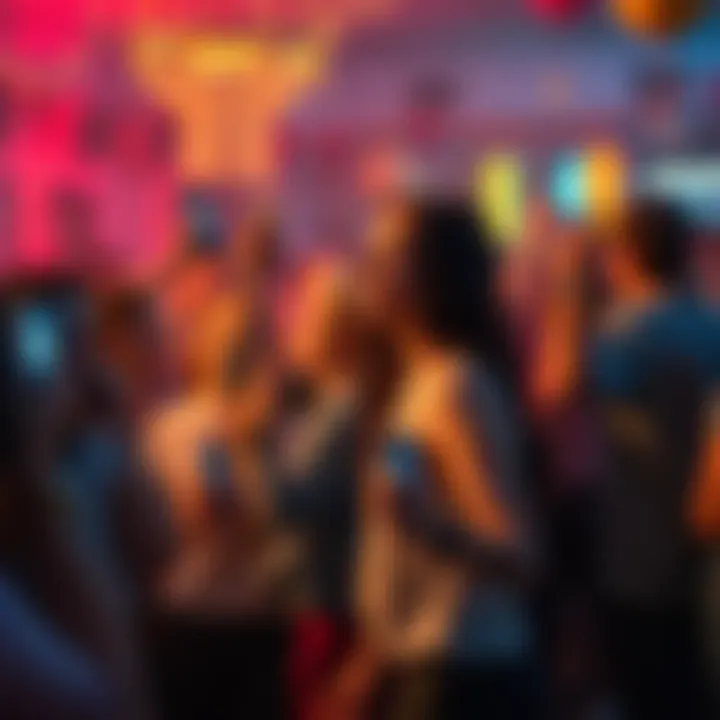
A recent online discussion ignited by a photo generated by an AI platform showcases a supposed college party from 2004. Users have mixed feelings about the quality, accuracy, and intention behind this digital creation, leading to lively commentary across various forums.
The Image That Started It All
The AI-generated image drew attention for its surprisingly high quality for a flip phone photo. One person stated, "That pic quality supersedes any flip phone from 20+ yrs ago." Others noted the unrealistic saturation, saying, "Colors are way too saturated for these early phone pics as well." This discrepancy has invited comparisons to actual images from the era.
User Reactions: A Range of Nostalgia and Skepticism
Participants expressed a blend of nostalgia and skepticism about the AI's output. A commenter remarked, "Real picture from a camera phone near that era. Taken in 2007, probably on LG enV." Many participants reminisced about college parties, with one noting, "I can smell this party," referring to the ambiance and attire depicted in the image.
Interestingly, users questioned the believability of certain elements in the photo, suggesting it felt more like a "rendition of a dream" than a real photograph. This raises a critical question: Are AI-generated images blurring the lines between reality and representation?
Themes Emerging from the Discussion
Several key themes emerged from the comments:
Nostalgia for Past College Experiences: Many users mentioned their own memories of college life during the early 2000s, evoking fond memories of parties and social gatherings.
Skepticism About Quality: Several commenters pointed out inconsistencies in the photo's quality and color saturation, suggesting it doesn't align with lower tech from that period.
Concerns About Reality: As one user noted, "This is scary. All of reality is about to blur." Such sentiments highlight growing concerns about the implications of AI in creating realistic visuals.
Key Takeaways
🕒 Many users nostalgic for their college years, sharing personal anecdotes.
🎨 Several critiques surfaced regarding the photo quality and saturation reflecting a lack of realism.
🔍 Wider concerns about the intersection of AI-generated content and authentic life experiences.
As AI technology continues to improve, debates like these will likely increase, challenging our perceptions of reality and historical authenticity. How will future generations interpret the digital remnants of today?
What Lies Ahead for AI and Images
There’s a strong chance that as AI technology advances, society will see a rise in both fascination and concern over realistic visual content. Experts estimate around 70% of people may engage with AI-generated images more frequently in social media, prompting debates on ethics and authenticity. This could lead to stricter guidelines on labeling digital artworks, as people grapple with what constitutes real versus artificial memories. The likelihood is that within the next few years, educational institutions may incorporate critical media literacy programs to help individuals distinguish between the two, ensuring an informed public.
Reflections from the Beyond
In a way, this situation mirrors the advent of photography in the 19th century. Back then, portraits painted from photographs were controversial, as critics questioned whether a capture could ever equal the artistry of a painter. Artists worried that this technology would dilute true creativity. Today, AI images provoke the same kind of anxiety regarding authenticity in art and memory. Just as those painters adapted their craft to include new techniques, the world of photography now faces the challenge of incorporating AI while holding onto the essence of true life experiences.