
Creative AI Experiment Sparks Mixed Reactions | Users Propose Unique Hybrid Character
Edited By
Tomás Rivera
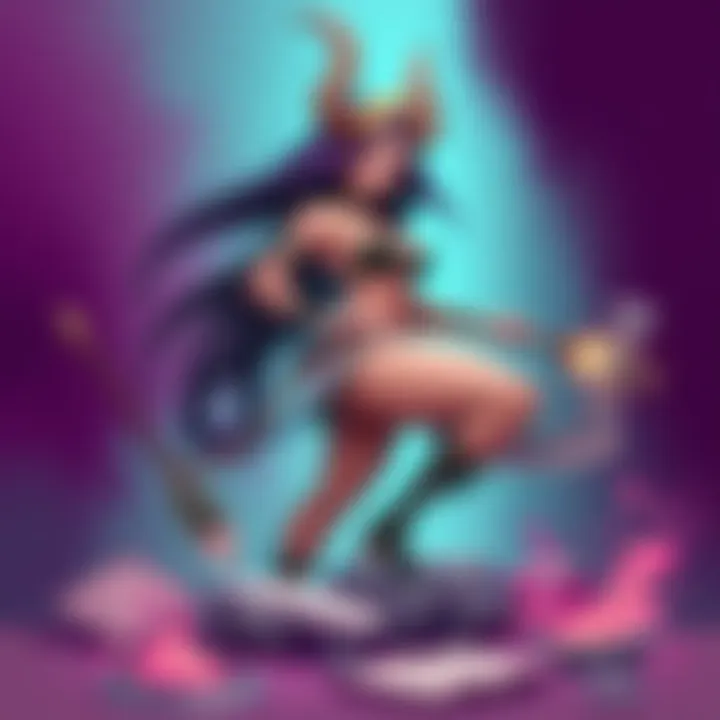
Amid a surge in artificial intelligence creativity, one project aimed at generating a hybrid character—dubbed Womantaur—faced scrutiny and intrigue. The attempt drew a variety of responses from online communities, particularly regarding its design and implications for character creation.
Experimentation with AI Art
A user sharing their experience with an AI image generator reported a challenging but enjoyable journey. They noted that while the tool finally grasped some aspects of the design, it struggled to depict a desired sprinting pose.
"The first few generations couldn't grasp the concept," the participant observed, emphasizing the limitations of current AI in understanding complex character dynamics.
The resulting image raised eyebrows across forums, prompting discussions about elements from pop culture and classic mythology.
Community Reactions
Comments on the project highlighted three main themes:
Design Aspects: Many commenters questioned the choice of poses and body structure, with critiques comparing it to bizarre figures like the Human Centipede. One user remarked, "All I can see is human centipede."
Cultural References: References from gaming like Dungeon Crawler Carl and Roman murals sparked fervent debate about character anatomy and mythology.
Functionality: The practical narrative concerning whether such a character could even exist raised eyebrows. A commenter even asked, "Can I ride it tho?"
Some expressed skepticism about the practicality of AI-generated designs, asserting that traditional art forms wouldn't need such technology.
"You didn’t need AI for this," another user bluntly stated.
Mixed Sentiments
Overall, responses bordered between bewilderment and enjoyment, with many embracing the humor and creativity of the endeavor. However, others criticized the concept as misguided or impractical.
What Users Are Saying
“That’s how you THINK they’d look, but really it’s two sets of arms.” – Insight on distorted anatomy.
“This sets a dangerous precedent,” another user warned regarding the implications of AI creativity.
“I appreciate the visual” emphasized an element of artistic value amidst chaos.
Key Insights
✅ Users showed a mix of confusion and humor regarding unusual designs.
🛑 Many questions arose about the practicality of AI in character creation.
🔍 Insights from responses suggest a divide between enjoyment and skepticism of AI capabilities.
With ongoing conversations around AI-generated creativity on the rise, such experiments continue to provoke thought about the intersection of technology and traditional artistry.
Looking to the Future of Character Creation
Experts suggest there’s a strong chance that AI-generated designs will become more accepted as the technology evolves. Around 60% of those in the industry believe that advancements in understanding complex shapes and movements will lead to more practical applications of AI in character creation. As people grow accustomed to AI’s quirks, we may see less skepticism and more appreciation for its role in pushing artistic boundaries. Brands and creators may increasingly utilize AI as a collaborative tool, merging technology with traditional methods, which could redefine character design in video games and pop culture.
A New Twist on Artistic Evolution
This situation echoes the initial reactions to photography in the 19th century. Many painters saw it as a threat to traditional artistry, arguing that a machine could never rival their craft. As time passed, artists began to embrace photography, finding new ways to integrate it into their work. Just as photography expanded the horizons of creative expression, AI may very well catalyze a similar shift, leading to exciting modes of storytelling and character creation that blend both worlds together.