
Early DeepDream Art vs. Today’s AI Creations | Users Demand More Unpredictability
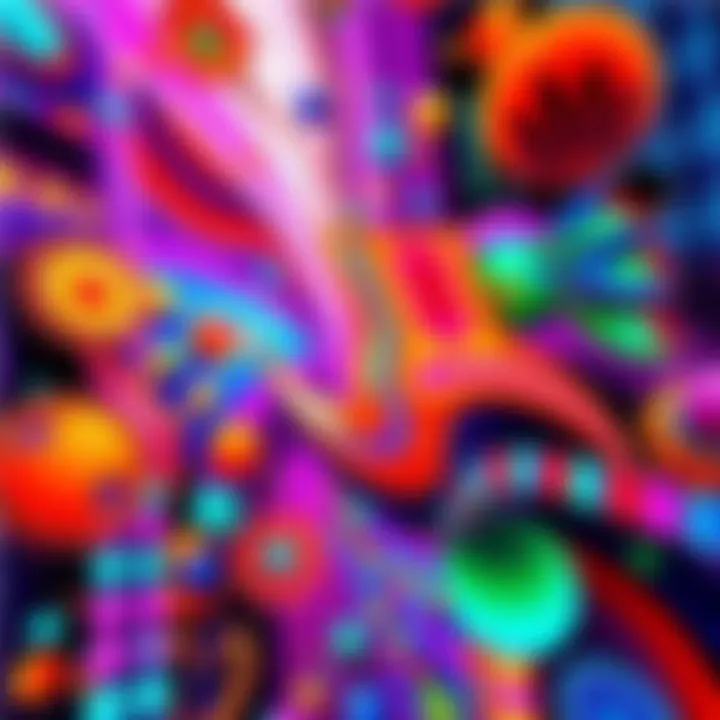
A growing community of people is expressing nostalgia for early AI-generated art, claiming it was more compelling than what’s produced today. They argue that initial DeepDream outputs possessed a baffling originality, unlike today's polished yet overly curated diffusion art.
The Appeal of Early AI Art
Users fondly recall the alien nature of early DeepDream images, stating they resembled nothing found in the real world. "It was a never-ending journey, making you question if you were properly awake," one shared on forums. This originality allowed for artistic freedom that few modern tools replicate.
In stark contrast, today's AI outputs often feel forced, described by some as "cartoony or utilitarian.” This highlights a major sentiment: many prefer creations that don't strictly adhere to human aesthetics.
Insights from Gamers
Commenters also noted the intersection of early AI art and gaming. Fans praised the game Source of Madness, which effectively utilized early AI visualizations, creating surreal landscapes that amplified a Lovecraftian atmosphere. One commenter noted, "Weirdness or surreality is a feature in some contexts, and AI can excel there."
A Shift Towards Unconventional Art
The nostalgic reflection on AI art sparks conversations on potential innovation. Users are increasingly asking if modern AI models could emulate the chaotic style of earlier outputs. This interest hints at a gap in the market for tools that prioritize originality and unpredictability in artwork.
"Miss the machines showing us their vision, not a better version of ours," one user lamented.
This fascination with the unfiltered creativity of early models aligns with broader desires for experimentation in AI art. Experts suggest that around 60% of creative professionals might motivate developers to explore less polished, more distinct options.
Key Takeaways
🎨 Users long for the chaotic and raw creativity of early AI art.
📉 Modern outputs are often perceived as overly optimized for human preferences.
📢 "It’s not just about beauty; it’s about the vision behind it" - User insight.
The Road Ahead for AI Art
As discussions intensify, a potential resurgence in experimental AI art looms. The current wave of nostalgia could stimulate developers to design tools catering to those yearning for the odd aesthetic of early DeepDream creations. This revitalization might balance the line between historic chaos and contemporary sleekness, leading to artistic expressions yet unseen.