
AI Sparks Debate | Art or Absurdity?
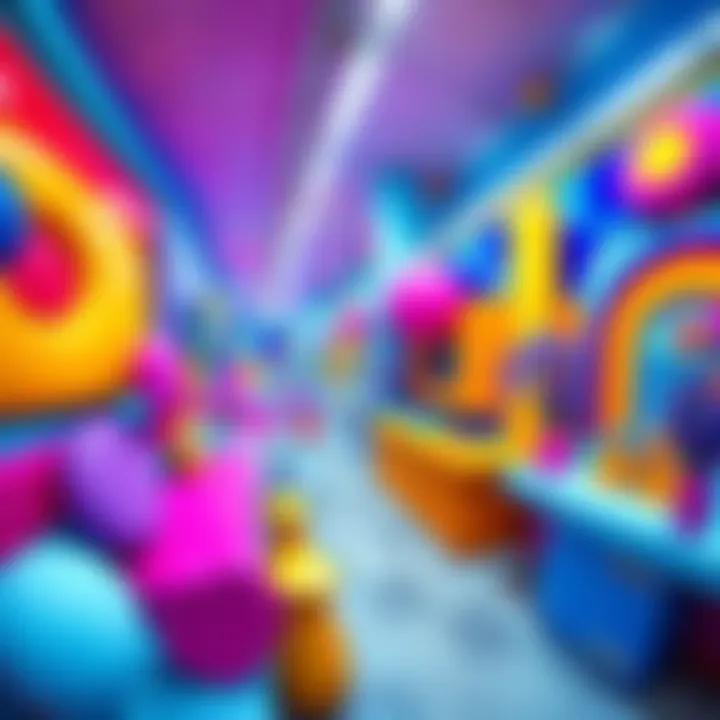
A growing conversation around an AI-generated artwork is causing unexpected shifts in perspectives on digital creativity. The project, using a 90s fisheye lens effect, challenges traditional views and even sways some self-proclaimed AI critics, with comments largely positive.
Innovative Use of Technology
The artwork, titled "The Shape Store," stands as a testament to the creativity AI can bring without mimicking human art directly. People describe it as bizarre, yet entertaining, tapping into a liminal experience that breaks from conventional formats. One user noted, "It's its own thing, it's random, it's kinda got a liminal space vibe honestly 10/10 from me as someone neutral on AI!"
The creator is intentionally exploiting the absurdity of AI to present a very strange scenario. The caption "archived footage" with the unsettling visuals adds to the work's charm. Negative comments appear minimal, with those who are typically critical of AI expressing newfound appreciation: "As someone that would be considered an 'anti,' I agree with this."
Mixed Reactions from Users
While many embrace the creativity, skepticism remains prevalent. Some argue that AI-generated content often lacks depth. A user stated, "Folks don’t tell beginner artists 'don’t draw unless it’s something never seen before.'" The fear is that if AI automates much of the art process, the output may become repetitive and generic.
Humor in AI Art: One commentary summed it up as, "Slop is good when it’s created to be comedic. Slop is bad when it’s used to click farm on TikTok and YT."
Freedom to Experiment: Some people want freedom in artistic exploration without facing negativity, pushing back against restrictive views on AI creativity.
Polarizing Nature: There's a debate on the standards applied to AI versus traditional art, with several contributors indicating that, unlike painting or music, AI should be given room for practice and creative exploration.
Sentiment Patterns Observed
The conversation remains diverse, showcasing both excitement and skepticism:
Positive responses: Many users highlight humor and creativity in the piece.
Critical reflection: Responses reveal a mix of appreciation and critique; one exclaimed, "I know this is AI and therefore soulless, but goddamn this is funny."
Calls for experimentation: People defending creative AI urge for more freedom in artistic exploration.
Key Insights
🎨 AI art sparks conversation about creativity limitations and fresh perspectives on digital artwork.
🗨️ *"It opens a door to what AI is capable of in art."
💬 The community's mixed feedback shows an evolving dialogue regarding AI's role in the art world.
As the debate surrounding AI art continues, it raises an essential question: Can digital creations redefine traditional art standards? The dialogue remains vibrant, likely evolving as creators and critics engage further with new technology.
Future Trends in AI Art
Experts estimate around 60% of those skeptical today may change their viewpoints as innovative projects emerge that showcase unique perspectives. Enhanced public engagement with AI art may provide more understanding of its potential. We might witness collaborations between traditional artists and AI, blending human creativity with machine capabilities to challenge how we define art in the future.
Historical Echoes in Unexpected Places
One could compare the rise of AI art to photography's initial backlash in the 19th century. Photographers were once labeled as mere mechanical copyists, similar to how some label AI creations as soulless. Photography paved the way for new artistic movements and transformed visual storytelling. Just as photography evolved to gain respect for creativity and impact, AI art may carve its space in the art world, redefining the boundaries of creativity as acceptance grows.