
Fallout Fan's Attempt to Sell Ghoul Model Sparks Critique | Community Voices Concerns
Edited By
Amina Hassan
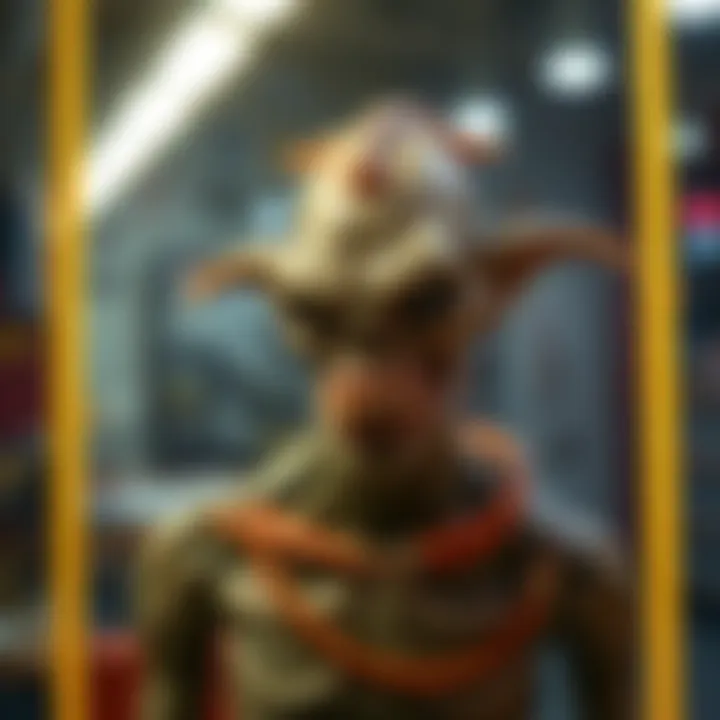
A recent attempt by a fan to model a character from the Fallout franchise has ignited substantial debate across user boards, as many question the viability of selling unfinished fan art. Posts reveal a mix of opinions, ranging from encouragement to outright criticism over the quality of the work.
Context of the Controversy
The original post expresses intent to sell a model of the notorious Ghoul after completing its body. However, several commenters quickly pointed out significant flaws that hinder its sale. Questions arose regarding the practical applications for the model, with concerns about animation and texturing foremost among them.
Fan Responses Explored
Many responded bluntly, asserting that the model should not be sold in its current state. A repeated theme emphasized the lack of fidelity to the original character, suggesting that the artist still has much to learn.
"You probably shouldn’t sell this. What would someone use it for?"
"Focus on getting your skill set up before trying to make a buck."
Critics identified several key issues that detract from the model's authenticity. The most glaring problems noted include the nose, which appears overly fleshy and resembles a pig's snout rather than the character's distinctive features.
Users overwhelmingly encouraged improvement before considering sales. They proposed practical solutions and resources to refine the artist’s skills:
"Look at the Ghoul's lips; they aren’t as thin as you’ve made them."
"The optical orbital bone is very pronounced, helping sell the skull-like visage of The Ghoul."
General Sentiment
The general sentiment was largely negative, as many commented that selling inaccurate fan art is notoriously challenging.
"Overall, this is useful as a sketch you can learn from, not something you can sell."
Key Insights from the Community
❌ Overwhelmingly negative feedback suggests the model is not ready for market.
📏 Critiques point out specific anatomical inaccuracies that need addressing.
🔄 Suggestions for improvement focus on learning proper sculpting techniques.
This debate highlights the challenges artists often face when blending their passions with sales objectives. With constructive feedback pouring in, the aspiring artist may have the opportunity for growth before reconsidering any commercial ventures.
What's Next for This Aspiring Artist?
As feedback circulates throughout forums, the aspiring artist is likely to reassess their approach to developing the Ghoul model. There’s a strong chance that with constructive critiques, they will refine their skills and enhance the model’s quality, potentially leading to a better reception in the future. Artists often face the difficult balance between passion projects and market readiness, and this instance could motivate a broader trend of improvement efforts in the fan art community. Estimates suggest that artists who actively engage with critiques can increase their sales readiness by up to 50%, leveraging the lessons learned in this experience.
A Curious Comparison to the Birth of Graphic Novels
In the 1960s, the rise of graphic novels faced similar scrutiny. Early creators contended with harsh critiques over artistic quality and storytelling intricacy, much like this Fallout model situation. Just as those pioneers were encouraged to refine their craft before seeking commercial success, today’s digital artists can take solace in knowing that even the most celebrated creators started as novices. They forged paths by nurturing their skills through feedback and perseverance, ultimately reshaping an industry once viewed as niche. This parallel serves as a reminder: every great artist has faced the same crossroads between passion and professionalism.