
Debate Rages Over AI-Generated Gongbi Art | Cultural Representation Under Fire
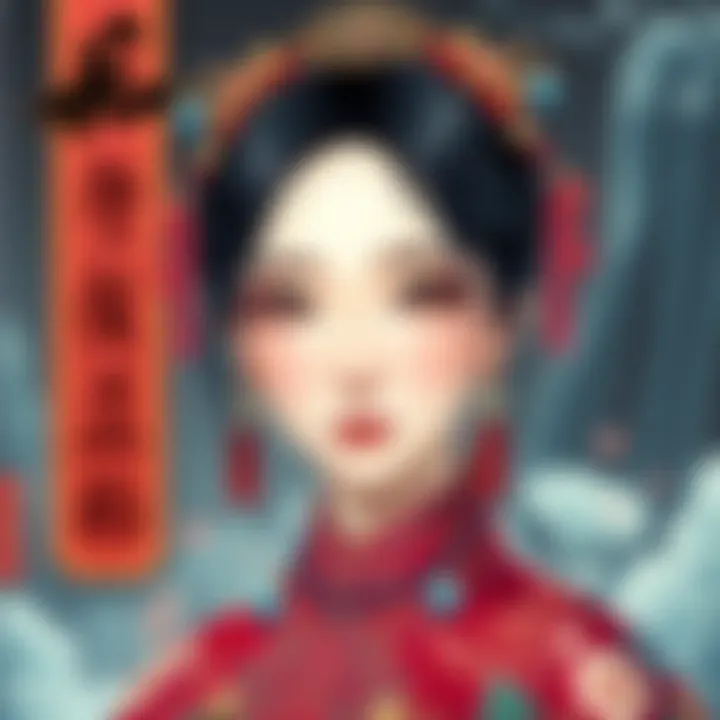
A heated online debate is underway as people question the cultural representation of AI-generated images, specifically in the Gongbi art style. A user requested the creation of images featuring women with distinctly European traits, stirring mixed reactions and highlighting sensitive topics surrounding cultural image generation.
Context of the Controversy
The ongoing discussion began with an attempt to blend traditional Gongbi art with European features, prompting various opinions. Critics argue the AI still renders Asian characteristics. One commenter stated, "Idk still look Asian to me," suggesting frustration over what many see as a lack of authenticity in cultural representation.
Community Reactions
The discourse revealed a blend of admiration and skepticism among commenters regarding artistic authenticity:
Some praised the fusion of styles, with one user exclaiming, "It’s simply beautiful."
Others expressed doubts about cultural accuracy, arguing attempts like these can dilute original styles.
A user noted the outcome resembled the contemporary look sought by K-Pop idols, specifically calling it a "wasian" appearance, combining both Asian and European features.
Interestingly, another commenter humorously remarked about a Tang dynasty influence, noting historical layers in art evolution. “Must be a lady from the Tang dynasty,” they noted, further showcasing the depth of conversation within the community.
"Artists drew everyone as Mongols, from ancient Persian kings to prophet Muhammad,” one user asserted, pointing to historical occurrences of cultural blending. This highlights long-standing dialogues about how identity is expressed through art.
Mix of Sentiments
Comment analysis presents a mixed sentiment:
Positive comments celebrate the creativity behind blending styles.
Negative remarks critique the authenticity of cultural representation.
Neutral comments question the quality of discourse on forums, with one noting, "What even are these comments?" suggesting frustration with the nature of online discussion.
Key Insights
Cultural fusion in AI art stirs ongoing debate
Responses show a varied perception of authenticity
Historical references add depth to discussions on representation
Curiously, it appears that this community engagement reflects broader cultural questions surrounding the implications of AI in art creation. As the conversation evolves, it raises essential questions about ensuring respect for the cultural origins even when integrating diverse influences.
Moving Forward in AI Art
With experts predicting a push for enhancing cultural sensitivity in AI-generated art, future industry standards may shift considerably in response to this ongoing dialogue. There’s a strong likelihood that clearer guidelines will emerge, ensuring a balanced approach to how cultural traits are depicted in AI outputs. This eventual progress could enrich artistic styles while respecting their original contexts.
Echoes of Past Cultural Exchanges
The current debate gives a nod to the Renaissance—a time when artists like Leonardo da Vinci faced scrutiny for incorporating external influences in their work. Much like Gongbi art today, those early creators navigated mixed reactions to their artistic choices. This acts as a reminder that art has long served as a conduit for cultural exchange and will continue to evolve as societal perspectives shift.