
AI Takes on Art | Robot Paints Golden Gate Bridge with Spectacular Results
Edited By
Dr. Ivan Petrov
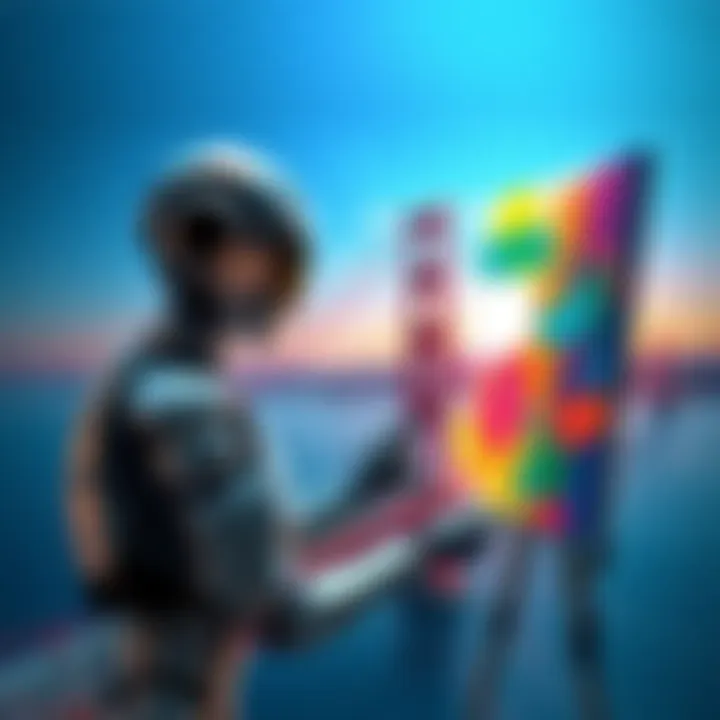
A recent experiment has sparked interest as a robot named Astra attempts painting the Golden Gate Bridge in real life. The endeavor, combining technology and creativity, took place in early September 2026, showcasing the evolving capabilities of artificial intelligence in the art world.
Astra's Journey to Artistic Expression
This intriguing project was initiated when a developer integrated a robot, a paintbrush, and a camera, tasking Astra to replicate the iconic bridge. As Astra painted, it demonstrated remarkable progress, improving with each attempt. A timelapse of its efforts has gone viral, with many praising the project as a cool experiment.
Varied Reactions from the Community
The feedback from various people highlights diverse opinions on Astra's artistic abilities:
Some expressed enthusiasm, stating that “this is a very cool experiment.”
Others remained skeptical, noting, “it’s not good enough yet.”
A few comments acknowledged its results, with one suggesting that Astra's outputs were “better than a second grader.” Many viewed Astra’s performance as a blend of innovation and limitations, attributing its results to its mechanical arm rather than its intelligence.
Themes Emerging from Community Feedback
Three main themes arose from the discussions surrounding Astra's artistic experiment:
Technological Advancement: Discussions emphasized that AI is advancing rapidly, with opinions suggesting that Astra might outpace human capabilities in the future.
Financial Investment: The cost of this experiment drew attention, with some people noting that $100,000 was spent on API credits.
Skill Comparison: Commentary around Astra’s painting skills highlighted public expectations against reality, often questioning how much can be achieved through technology alone.
“AI moving level by level… may in the future go beyond humans,” commented one observer, reflecting on the potential of this technology.
Key Insights
📈 Investment in AI art projects has reached new heights, marked by significant spending on resources.
🔍 Astra’s performance could indicate a shift in creative skills traditionally attributed to humans.
🖌️ User reactions showcase a mixed sentiment, ranging from excitement to skepticism regarding AI's artistic capabilities.
The convergence of art and technology continues to captivate audiences, and Astra's attempt adds another chapter to this ever-evolving narrative. As development in AI progresses, one must wonder what the next frontier of creativity looks like. What will an AI painter accomplish next?
What Lies Ahead for AI Artistry
There's a strong chance we will see further enhancements in AI art programs similar to Astra, especially as tech companies continue to invest in more sophisticated algorithms and machine learning techniques. Experts estimate that within the next few years, we might encounter AI artists that can produce work indistinguishable from human painters. The combination of improving technology and the growing acceptance of AI in creative fields suggests a future where machines not only assist in art creation but may lead innovation themselves. As people become more comfortable with AI's role in art, the boundaries of artistic expression will likely expand further, potentially blurring the lines between human and machine creativity in groundbreaking ways.
A Brush with the Past
In the early 20th century, many were skeptical of the camera's ability to capture reality or convey artistic messages, much like some are hesitant about AI's creative potential today. The advent of photography was viewed by some as a threat to traditional approaches in painting, yet it ultimately led to new genres and techniques, such as Impressionism, that changed the art world forever. Just as photographers learned to harness their tools for personal expression, today's AI systems like Astra can be seen not just as replacements, but as new platforms for creativity, allowing for exploration previously unimagined.