
AI Generates Roman Frescoes | Users Challenge Artistic Integrity
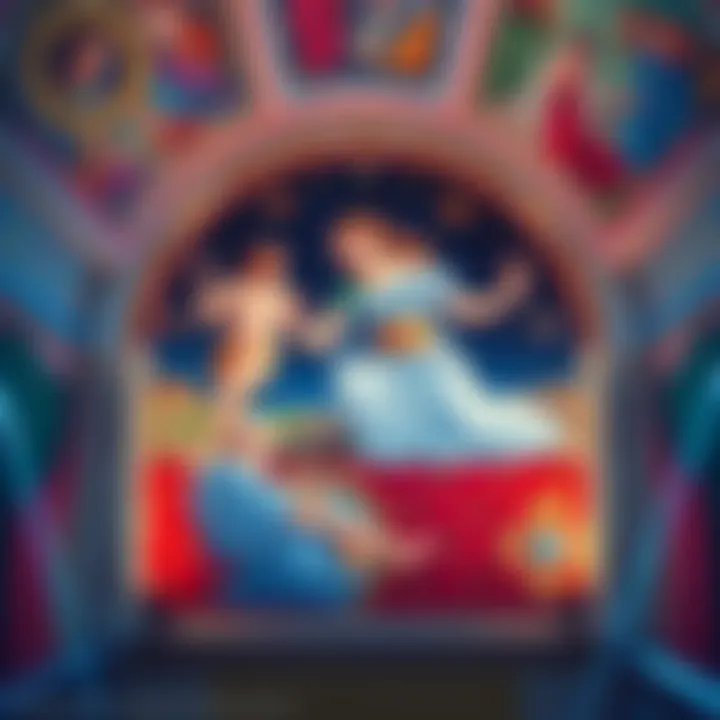
A recent experiment involving AI-generated interpretations of 1st-century Roman frescoes has ignited significant discussion, as people question the creations' historical precision. While some find the results captivating, others argue they miss the mark, raising concerns about how AI represents ancient art.
The AI Experiment Explained
In an attempt to recreate what freshly painted Roman frescoes might have looked like, an AI system produced various artistic renditions. This has sparked a wide array of opinions on forums, underscoring the tension between art historians and the evolving capabilities of artificial intelligence.
A user expressed admiration, saying, "Damn. Well that’s pretty damn good." However, critiques pointed out flaws, highlighting a pervasive faded look that detracted from the appeal.
Key Issues Highlighted by Users
From the community's responses, three standout themes emerged:
Artistic Techniques: Critics observed that the styles more closely resembled Renaissance artwork than authentic Roman fresco techniques, with one commenter noting, "These look more Renaissance in brushwork just a guess."
AI Limitations: Some suggested that the AI misinterpreted prompts, leading to inaccuracies in its output.
Visual Artifacts: Many users flagged the presence of visual glitches, with one stating, "The artifacting glitch is all over every single one," indicating these issues overshadow the work itself.
Evolving Opinions on AI-Generated Art
As the dialogue grows, sentiment varies widely. For instance, while some criticize the efforts, others remain optimistic. A user commented, "Impressive and really useful, seems historical accurate!" highlighting the potential for AI in recreating historical art.
Contrasting Views
Amid the discussions, a comment stood out, questioning the reliability of historical sources in these AI applications, stating, "A historical source? In this sub??" Meanwhile, another user suggested practical alternatives, mentioning the use of LoRa models, hinting at accessibility and creative flexibility.
Key Takeaways
✦ Users have pointed out notable disparities between artistic techniques and expected Roman styles.
▽ Many focused heavily on visual artifacts and inaccuracies in proportions.
※ "Just get 12 out of this list. Others are good. But on 12 there’s something seriously wrong with anatomy," highlighting anatomical issues that drew significant criticism.
As debate continues, questions linger about AI's role in capturing authenticity in historical art. Can AI serve as a reliable lens through which to view antiquated artistry?
The Future of AI in Art
As creators refine AI's artistic skills, experts predict enhanced accuracy in depicting historical works over the next few years. Increased incorporation of accurate historical data could significantly improve generated imagery, potentially paving the way for innovative exhibitions that fuse AI-generated art with traditional pieces. However, as this technology advances, discussions about authenticity in art are likely to intensify.
Reflecting on New Creative Frontiers
Drawing parallels to the Renaissance, the struggle between old and new artistic methods echoes today’s discourse around AI. As chefs of creativity adapt to innovative tools, new forms of artistic expression are bound to emerge, echoing the evolutionary journey that past mediums have undergone.
The intersection of AI and art may transform how we engage with historical imagery, prompting profound discussions about the integrity and future of creativity.