
South Korea Takes the Lead | Laser Air Defense System Hits Drones for $1.50 Each
Edited By
Sofia Zhang
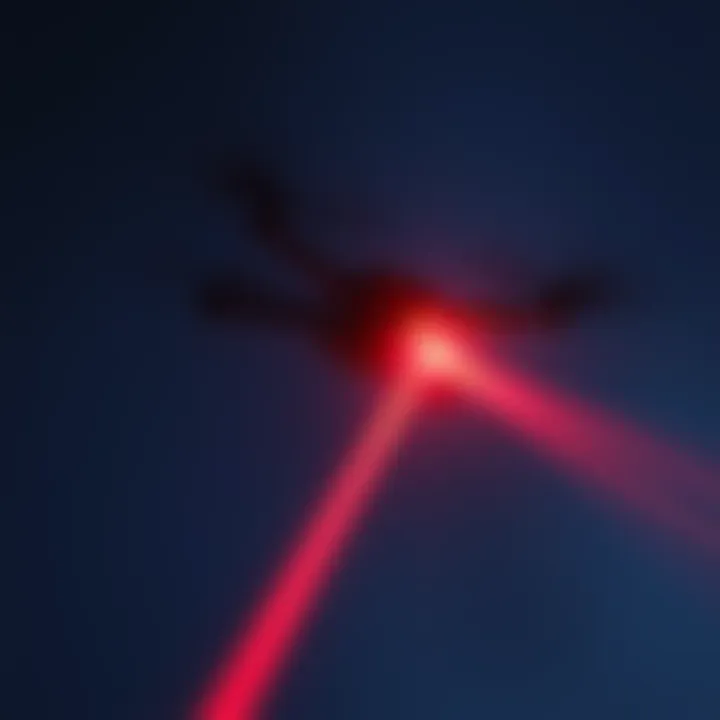
A new technological milestone emerged from South Korea, where the military has successfully deployed the Cheongwang laser air defense system. Developed by Hanwha Systems and the Agency for Defense Development, this 30-kilowatt-class weapon can take down drones in just one second, with a firing cost of only $1.50 per engagement.
Key Developments in Laser Defense Technology
On October 14, 2026, during the TIGER+ Future Warfare Integrated Combat Exercise, the Cheongwang successfully neutralized all three drones targeted, impressively showcased to over 500 military observers.
The successful demonstration comes amid rising global tensions, especially between Russia and Ukraine, prompting a need for cost-effective solutions to combat cheaper and more readily available drones.
"This sets the stage for a new arms race," noted an observer at the event.
The Future of Military Technology
While Cheongwang marks a significant stride in military capabilities, there's dialogue about the evolving arms race. Users online are excited about the potential implications of drone warfare.
"Hanwha is rolling out vehicle-mounted lasers next year," said one commenter, highlighting the surge in demand for such weapon systems. Critics, however, question whether this truly makes armored vehicles obsolete. "I doubt tanks will become obsolete; they bring damage unmatched by drones," another user argued, emphasizing the ongoing relevance of traditional warfare technologies.
Interestingly, countries like Israel and the U.S. reportedly had operational laser systems in place earlier, leading to skepticism about South Korea being labeled as the forefront in laser air defense. One commentator remarked, "What is meant by 'first'? Other countries have been testing similar systems for years."
Challenges Ahead
Beyond the excitement, there are significant challenges to consider. The effectiveness of laser systems can be limited by conditions such as rain or fog, which may hinder targeting capabilities. Plans to innovate include increasing power and adaptability of the systems, with ambitions for future upgrades.
"If we scaled it up, the time to kill targets could decrease significantly," a defense analyst noted.
The emergence of counter-tech is a concern, emphasizing how quickly the cycle of innovation in warfare evolves.
Key Points to Remember
🔹 The Cheongwang system is cost-effective, engaging drones for $1.50 each.
🔹 Debates continue about the obsolescence of traditional military equipment in light of drone technology.
🔹 Atmospheric conditions could limit the deployment effectiveness of laser systems.
In summary, while South Korea showcases its laser air defense weapon as a breakthrough, the landscape of military technology remains dynamic, continually shaped by advancements from around the globe.
Forecasting Warfare Dynamics
There's a strong chance that the deployment of laser defense systems like Cheongwang will accelerate the arms race globally, with various nations racing to refine similar technologies. Experts estimate around 60% of countries with advanced military capabilities may invest in developing laser systems within the next five years, driven by the cost-effectiveness and rapid targeting ability showcased in South Korea. As drone technology becomes even more ubiquitous and advanced, nations may find themselves compelled to adapt their military strategies, prioritizing air defense as a crucial aspect of national security. This shift could lead to significant advancements not only in laser technology but also in counter-drone measures, creating a new cycle of innovation in military capabilities.
Echoes from the Past
Looking back, we can draw parallels with the introduction of the machine gun in World War I. Initially met with both excitement and skepticism, the machine gun fundamentally transformed warfare, making traditional tactics obsolete overnight. As commanders faced unprecedented carnage, they were forced to reevaluate their strategies in real time. Similarly, today’s laser systems may render certain technologies outdated, inciting a wave of innovation and adaptation within military organizations. Just as generals in the early 20th century had to grapple with these new weapons, today’s defense officials must rethink their approach to combat in light of advancing laser technology and unmanned aerial systems.