
Students Renting Smart Glasses | Unorthodox Exam Cheating Method Emerges
Edited By
Fatima Al-Sayed
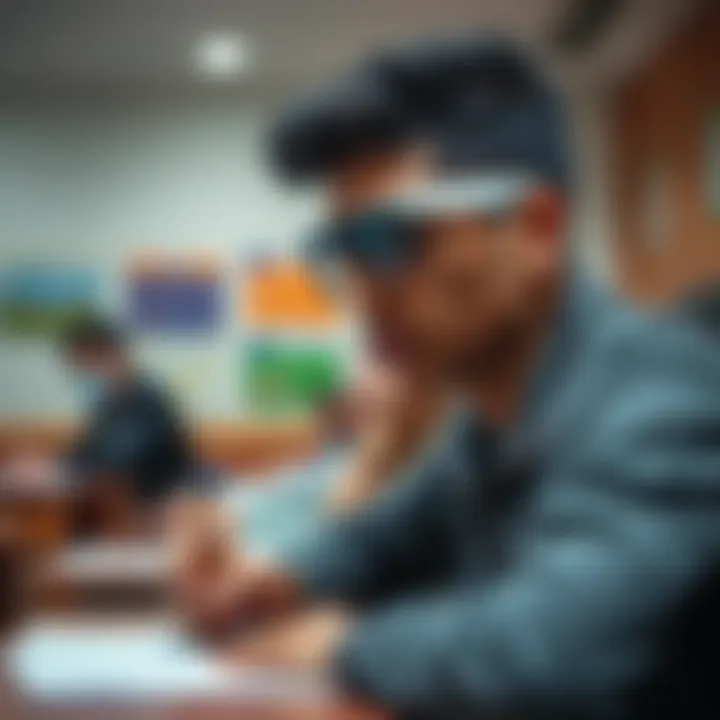
A recent trend in academic dishonesty has surfaced as students begin renting smart glasses to cheat on exams. This strategy raises eyebrows and sparks debates on ethical standards in education.
Concern is growing among educators and employers. Many believe this is just another sign of deeper issues plaguing the younger generation, particularly regarding critical thinking skills. As one comment points out, "Same students complaining they can’t get a job after graduating."
An Overview of the Situation
The rental of these smart glasses seems to have become increasingly popular among students looking for an edge during exams. Commenters express their disbelief at the ease with which students are trying to cheat. One user stated, "Who the hell is letting students take exams with shades on?"
Interestingly, the method is not without backlash. As some commenters suggest, using technology in this way may seem risky and foolish. A professional reflects, "I had 2 interns recently One just kept using ChatGPT for everything and couldn’t follow basic instructions."
Growing Discontent in Professional Circles
Concerns also extend beyond the classroom. Individuals in high-paying jobs have reported serious gaps in knowledge and skills among recently graduated students. "I can believe it. The amount of coworkers I have that immediately run to AI for solutions before doing any other traditional method of problem-solving is genuinely concerning," one professional lamented.
Moreover, there is an element of frustration directed at the educational system. An anonymous commenter noted, "A lot of my coworkers that graduated recently seem to lack basic skills, it’s almost impressive."
What’s Next for Academic Integrity?
This trend highlights a critical dilemma for educational institutions. With advances in technology and easy access to cheat methods, the ability to maintain academic integrity seems increasingly compromised. One suggestion is to implement stricter examination methods, such as conducting tests in Faraday cages or using jammers to disrupt connections.
"Time to conduct exams in Faraday cages" – Comment from a concerned educator
This discussion raises a bigger question – Are educational institutions equipped to handle such technological advancements? As technology evolves, so must the methods of evaluating students.
Key Points
△ Students are now renting smart glasses, a new method for cheating.
▽ Comments show a mix of disbelief and criticism toward both students and the education system.
※ "The situation is so bad we’re resorting to electronic warfare now" – Comment highlighting frustration.
As this trend develops, educators and professionals alike must confront the implications for learning and job preparedness in the modern workplace.
A Glimpse into Future Academic Challenges
There's a strong chance that educational institutions will soon ramp up security measures during examinations. Stricter protocols could include randomized test formats or even physical restrictions like isolation booths to discourage cheating. As technology continues to evolve, experts estimate that around 60% of schools may adopt advanced surveillance methods over the next few years. The pressing need for academic integrity, driven by concerns from both educators and employers, is likely to trigger these changes. Schools will face increased pressure to adapt their assessment strategies to ensure students are genuinely prepared for the workforce, ultimately reshaping the examination landscape.
Historical Echoes: The Great Pigeon Wars of 1917
In a rather unexpected parallel, we can look back to the Great Pigeon Wars of 1917, when soldiers used homing pigeons to relay critical messages during World War I. Just as today’s students are employing smart technology to circumvent traditional learning, soldiers relied on these birds to bypass the limitations of their environment. The pigeons became a symbol of ingenuity but also highlighted the lengths to which individuals would go to achieve success amidst stringent conditions. This historical episode underscores a pattern of adapting technology to address gaps, reminding us that the struggle for integrity in education reflects broader societal challenges faced in various forms throughout history.