
Photo Editing Debate | AI Enhancements Stir Controversy in Online Community
By
Maya Kim
Edited By
Nina Elmore
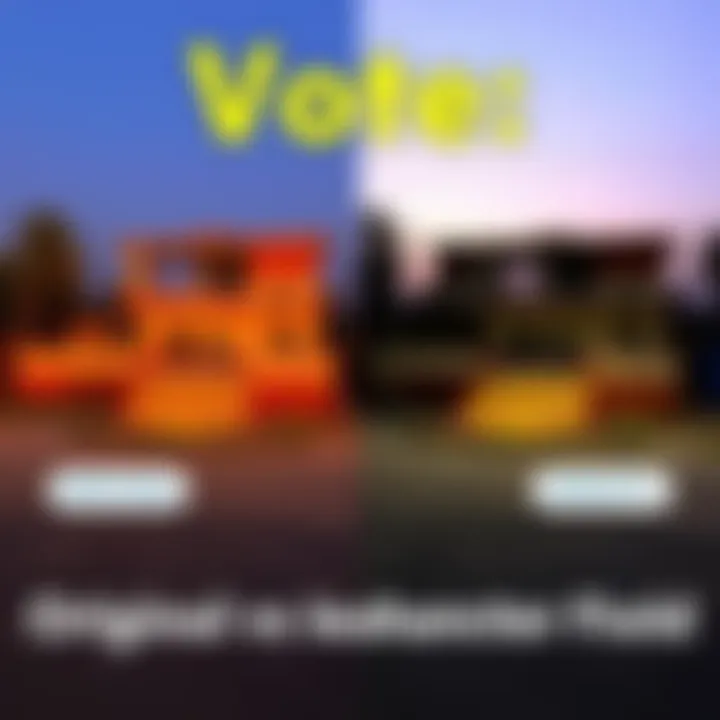
A recent photo enhancement experiment has sparked intense discussions among people in user boards. After using an AI tool to edit a snapshot taken in Ranchi, India, opinions are divided on whether the AI's refinements improved the image or made it look artificial.
Background of the Photo
The original image, captured on a phone, was described as basic but beautiful. The person behind the edit aimed for a cinematic touch, wishing to enhance the mood while keeping the essence of the scene intact. However, several commenters have made it clear that they feel the modifications may have crossed a line into overprocessing.
Divergent Opinions on AI Edits
Natural vs. Enhanced
Many comments reflect dissatisfaction with the AI's approach to editing. One person stated, "The AI one is way over-processed," highlighting the belief that the authenticity of the original photograph is lost. Others like another user preferred the original, declaring it **"easier to my eyes."
**
A notable critique remarked on the dramatic changes in the clouds within the AI-enhanced version, pointing to a loss of natural beauty.
Quality vs. Excess
Some people argued that the enhancements should focus on subtle adjustments like brief saturation and improved lighting, as opposed to extensive alterations. One comment summarized this sentiment well: "The direction of processing is correct, but reduce the processing by 20-30%."
This perspective suggests that people appreciate quality enhancements without sacrificing the photo's original appeal.
Critique of Photography Choices
Another thread of commentary called the original photo "wildly boring" while others described it as "patches of grass and dirt with a random flag pole."
This criticism raises questions about what qualifies as a worthwhile subject for photography in this digital age.
Overall Sentiment
The atmosphere in the comments fluctuated between negative and neutral. Many opinions expressed frustration over excessive editing, with users emphasizing a return to the basics.
Key Takeaways
🚫 Many feel the AI-enhanced version is overdone.
🌿 Users prefer minimal editing that respects the original beauty.
📸 Photography fundamentals questioned amidst AI influence.
This ongoing conversation in online forums highlights the tension between traditional aesthetics and modern technological enhancements. As people continue to share their thoughts, the photo editing debate remains a hot topic within the community, challenging the boundaries of creativity in photography.
Future Trends in Photo Editing
As discussions about AI-enhanced photography grow, it’s likely that we will see a split in how people approach photo editing. Experts estimate around 60% of photography enthusiasts may lean towards more natural edits in the coming years, driven by a desire to preserve the authenticity of the original image. This could lead to a rise in tools that focus on subtle adjustments rather than heavy changes, as the backlash against over-editing continues. Furthermore, social media platforms may adopt stricter guidelines on using AI edits, prompting a shift toward promoting more genuine content that resonates with audiences.
A Lesson from the Past
In a way, this situation parallels the rise of color film in the late 20th century. Many photographers at the time resisted digital color, arguing it ruined the purity of black-and-white photography. As the industry evolved, however, artists adapted by blending both styles. Now, we see different formats coexisting, similar to how AI and traditional methods might find ways to complement each other. Just as the initial backlash gave way to innovative practices in photography, the current debate surrounding AI may ultimately lead to more creative solutions that balance technological advancements with artistic intent.